Single Unit

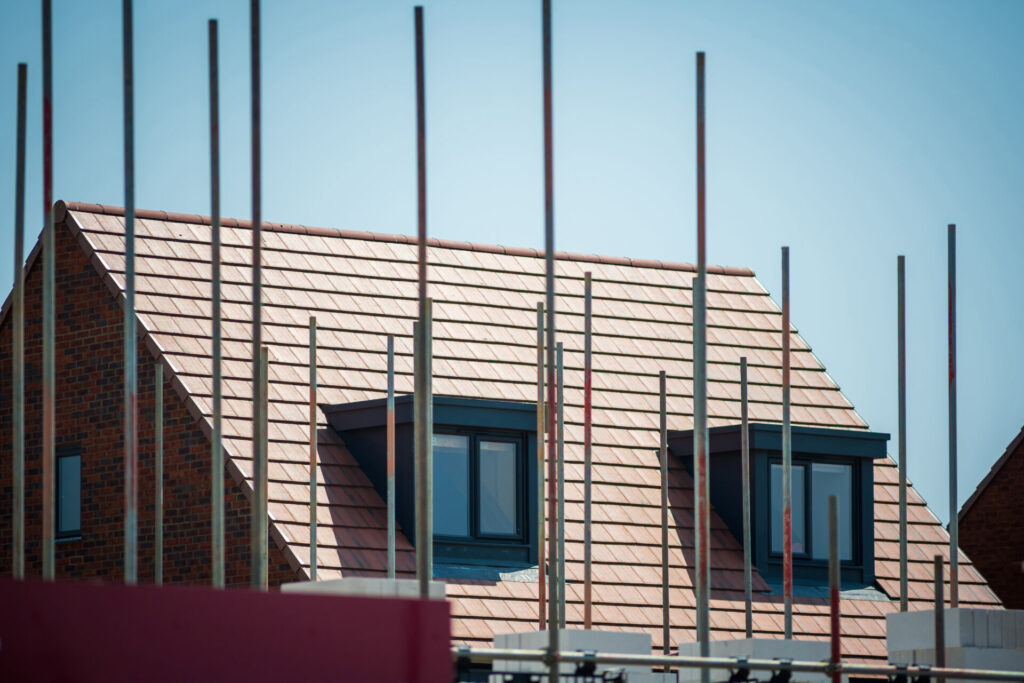
Whether you are building residential units from the ground up, converting an existing property, or undertaking a large-scale refurbishment, we help secure the right funding structure to support your development from start to finish.
We work with an extensive panel of specialist lenders to source competitive development finance facilities designed around your project requirements, timescales and exit strategy.
Speak to our team today to discuss your development finance options.

Single Unit
1-6 Units
Large Scale Units
Residential
Commercial
Commercial To Residential
HMO Conversions
Development finance is a short-term funding solution designed for property developers undertaking construction, conversion, or heavy refurbishment projects.
Unlike traditional mortgages, development finance is structured to support projects in stages. Funds are typically released throughout the build process, helping manage cash flow while keeping the project moving efficiently.
This type of finance can be used for:
Whether you are an experienced developer or embarking on your first project, BridgeCross Finance can help structure a facility suited to your experience level and project goals.
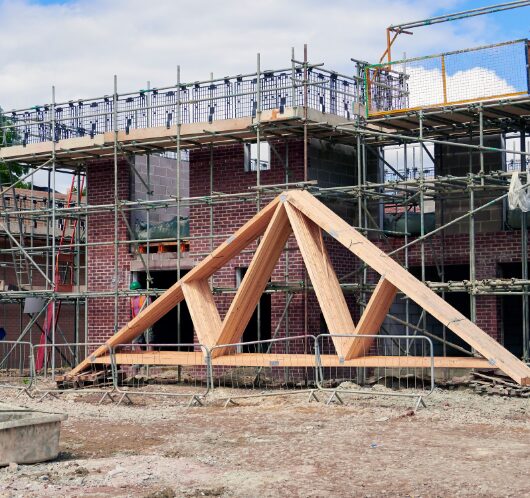
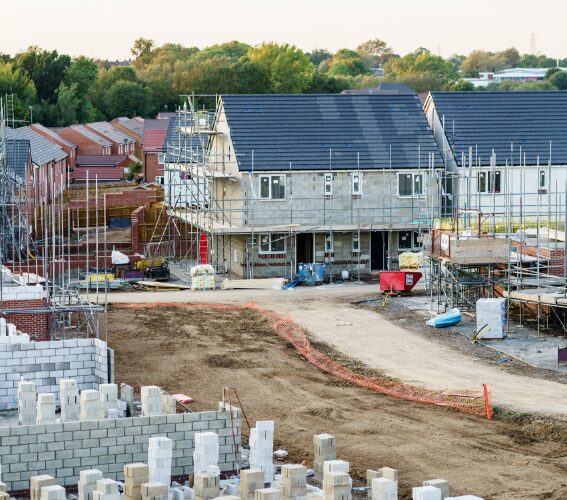
Development finance is typically split into two key elements:
Lenders may provide funding towards the purchase of land or an existing property, often referred to as Day 1 Funding. This allows developers to secure the site and begin progressing the project.
The remaining funds for construction costs are released in stages as the development progresses. These drawdowns are usually linked to milestones within the build and monitored by an independent surveyor.
This structure helps developers reduce interest costs, improve cash flow, and access capital when it is needed most.
Development finance can support a wide range of property projects, including:

Funding for single dwellings, multiple-unit schemes, apartment blocks and housing developments.

Finance for developments involving residential, retail, office or commercial elements.

Heavy refurbishment or structural renovation projects where standard mortgage funding may not be suitable.

Transform commercial or underutilised buildings into residential or mixed-use properties.
Development finance, much like bridging loans, are a form of short term finance, which is used to ‘bridge the gap’ between two time periods, with the second period being a repayment or ‘exit’ strategy of the loan. The difference between development finance and bridging though is that development finance is focused on properties that need either a heavy amount of works or ‘developing’. Usually with development finance, you will have a site value on day 1, a cost of proposed works and a GDV and all of the other numbers come off of these 3 key factors.
Not necessarily, no. Development Finance, much like bridging, is assessed on the ‘exit strategy’, which is a finance-y way of saying ‘how is the loan going to be paid off’. Development finance lenders work on loan to value on day 1 and loan to gross development value (LTGDV) at the end of the loan term. As long as the exit strategy can pay off the gross loan and this gross loan is within the lenders maximum LTGDV percentage, then the lender will be happy to grant you the loan.
This ones a great question, but its often a little misplaced. It’s only natural to think about property finance like a mortgage, with monthly payments coming out, making you think about your mortgage as X amount per month. With development finance you will most likely take rolled or retained interest, which means you wont have a monthly payment coming out of your bank account. Secondly, most lenders charge their interest daily meaning, unless you are guaranteed to pay this loan off in an exact amount of months, you are going to owe the lender the initial loan, the fees and then X amount of days worth of interest on top of this figure. With some lenders this interest may compound, with some lenders it may not.
This ones a little bit tricky to answer as it depends on the product, but generally speaking lenders may have a minimum interest period of 3 months. Unlike a traditionally mortgage, you will not be penalised if you settle the loan before the end of the product, in fact it will mean you save money and it is in your interest to do so.
As said above, development finance is usually taken on retained or rolled interest, meaning that there are no monthly payments for the borrower. The lender will place a charge on the land/property for the percentage of the property value they are lending you, for example, if you are borrowing 50% against land valued at £100k, the lender will place a charge on the land for £50,000.
This figure is known as your gross day 1 loan and it is what you would owe back to the lender at the END of your development loan term but only for the portion of the loan borrowed against the asset. Your net loan is the amount you actually receive on day 1, which is lower. The lender (or a good broker) run a calculation to find out what figure would grow into the £50,000 once interest and fees have been added to it. Lets say for round numbers that a £45k loan would carry £1k in fees and £4k in interest over the term of the loan, in this example £45k is your net loan and this is the amount that you receive on completion, most often used towards the purchase of the asset.
The other part of your loan in development finance is your works facility, which will cover the cost of the works for you, as a net loan. The gross loan for this portion is the cost of works plus the fees and interest associated with this portion of the loan only. For example if the works are to cost you £100k and this carries £3k in fees and £7k in interest, your gross loan here would be £110k and your total gross loan would be £160k, using the land loan in the paragraph above.